
- Home
- uncategorised blogs
- Top UAE Etiquette Rules for Visitors
- uncategorised blogs
- On 23.03.2026
- Jahanvi Sharma
- Tags dubai
Top UAE Etiquette Rules for Visitors
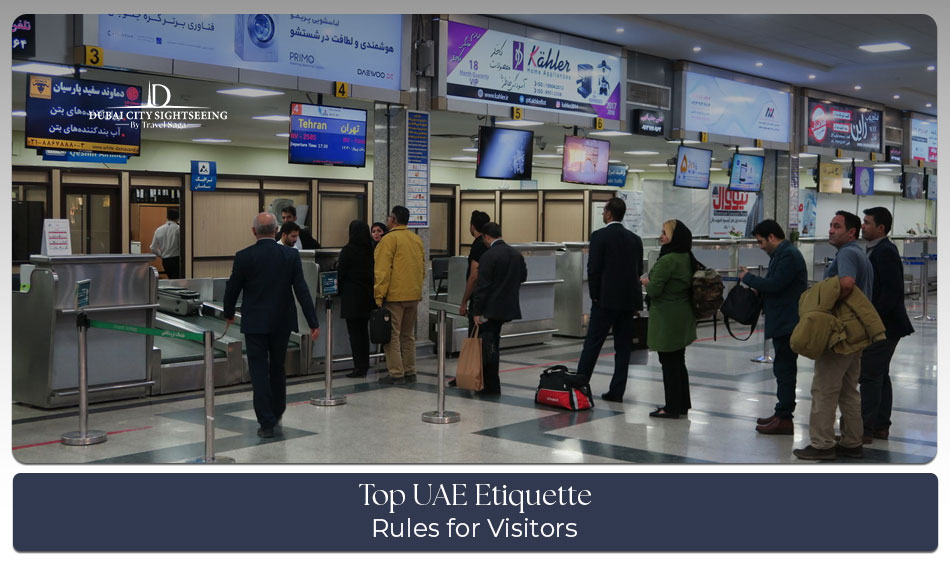
You’ve booked your trip to the UAE, packed your clothes, and are ready with your camera. Great job! But have you heard about the little rules that most tourists don’t know? The UAE is more than just fancy malls and beautiful buildings. It’s a country where culture, respect, and traditions matter a lot. Things like how you greet people or how you sit can make a big difference. Don’t worry, here’s a simple guide to help you act like a local and avoid looking like a confused visitor. In this blog, we will be talking about lesser-known cultural etiquettes that you must know before going to the UAE.
UAE Cultural Etiquettes That You Must Know
There are multiple times when people forget about basic cultural etiquette while visiting a country. While visiting Dubai, there are a few things that you must know, like applying for a Dubai visit visa in advance, or how not to greet people when they are
The Right-Hand Rule
In the UAE’s culture, people use their right hand for polite actions like eating, shaking hands, or holding money or gifts. This is because the left hand is often seen as unclean, linked to things like eating or bathroom activities. Using the right hand shows respect and good manners. It’s part of everyday social rules that have been around for a long time. People still follow this habit today to look clean and respectful in daily life.
Opposite Gender Greetings
When you meet a Muslim of the opposite gender, it’s polite to wait for them to offer their hand first. In many Muslim cultures, a handshake is a sign of welcome and trust. If they don’t extend their hand, a simple nod or placing your hand over your heart is a respectful alternative. These small actions show respect, humility, and that you understand their culture. This helps avoid any offence and builds good, respectful relationships. Always be kind and thoughtful, showing respect for their traditions and values.
Sole of the Feet
In UAE culture, pointing your feet or shoes at someone is very rude and disrespectful. It’s seen as bad manners and can be considered offensive or insulting. The culture values respect, humility, and kindness in how people interact. People are taught to avoid this gesture because it can look like a challenge or show arrogance. Using proper body language and showing respect through gestures is important, especially in formal or cultural situations. Knowing and following these rules helps build good relationships and shows that you respect the culture.
Pointing
In the UAE, it’s considered polite not to point with just one finger. Instead, people are encouraged to use their whole hand when pointing. This shows respect and humility and helps avoid making someone feel offended. It’s a small but important way of being polite and kind in daily interactions.
Public Displays of Affection (PDA)
In the UAE, showing affection in public, like kissing or hugging, is not allowed and can lead to fines, jail time, or even being sent out of the country. Holding hands is usually okay, especially for married people. These rules come from cultural, religious, or social beliefs that see such actions as wrong or a threat to public order. If someone breaks these rules, they can face serious punishment. This shows how important it is to learn about local customs and laws before travelling or living in another country.
Modesty Outside the Beach
In Dubai and Abu Dhabi city tour, it’s important to dress modestly in places like malls and markets. Women should cover their shoulders and knees and avoid wearing revealing clothes. Men should wear shirts with sleeves and not wear very short pants. Following these rules shows respect for local culture and helps keep things peaceful and respectful. Public spaces value modesty because it supports cultural traditions. By dressing this way, visitors can have a comfortable and respectful experience and show they care about the local customs.
Language & Gestures
In the UAE, saying bad words, making rude gestures like the middle finger, or having loud arguments can lead to being arrested or sent home quickly. The country has strict rules against disruptive or offensive behaviour because it sees such actions as harmful to peace and national pride. Police can act fast, especially in public places, to keep order. Small offences might result in a fine or a warning, but if someone keeps doing it or the behaviour is serious, they could be deported. Both locals and visitors should avoid such behaviour to stay safe and follow the law.
Photography
Never take photos of people, especially local women or families, without asking them first and making sure they understand and agree. It’s important to respect their privacy and dignity. Taking photos of government buildings, military sites, or accident scenes is against the law and can lead to serious penalties. These rules help protect secret information, keep the public safe, and protect people’s privacy. Always act ethically and follow local laws. If you take photos without permission, you could face fines, legal trouble, or lose your reputation. Always get permission and follow the rules before taking any pictures.
Accepting Hospitality
In Arabic culture, when someone offers you coffee or dates, accepting them shows respect and thanks. Even a little bit means you appreciate the host’s kindness. Saying no directly might seem rude. Coffee is usually served in a small cup and is shared with care. Dates are sweet and symbolise friendship and generosity. Taking just a little honours the host and helps build good relationships. This simple act shows the values of kindness, giving back, and treating each other with respect.
The Scent of Bakhoor
When you visit an Emirati home or majlis, the host usually brings out a bakhoor incense burner. The sweet-smelling smoke fills the room and makes it feel warm and welcoming. It’s polite to gently move the smoke toward your clothes or hair with your hands. This small act shows respect, thanks the host, and shows you understand and appreciate their culture. It’s both a sensory and social tradition that helps build connection and comfort. It reflects the Emirati belief in warmth, respect, and sharing moments together.
The “Open Door” Meeting
In many business cultures, especially in Asia and parts of Europe, people might interrupt a meeting with a phone call or a quick visit. This isn’t rude; it shows that relationships matter. It’s part of an “open door” culture where people value personal connections and trust. These calls mean communication is easy and ongoing, and people stay in touch to build trust and understand each other better. This kind of open communication helps teams work together more smoothly and shows respect for each other. It highlights how important personal contact is in business.
“Insha’Allah” (God Willing)
The phrase “It’s in God’s hands” means trusting that a higher power is in control of what happens, even if we take steps to move things forward. We don’t worry about when things will happen or if they’ll work out because we believe God will guide the outcome. This trust helps people stay patient and calm, especially when things take longer than expected. It teaches us to keep trying, stay humble, and rely on faith. We do our best, but we also believe that success is ultimately decided by God.
Conclusion
Understanding UAE etiquette doesn’t mean following strict rules. It’s more about showing respect, learning a little about the culture, and having a better, more enjoyable trip. When you follow a few simple tips, you’ll avoid misunderstandings, build better connections with locals, and feel more at home. If you’re planning a trip soon, check out Dubaicitysightseeing.com. We handle everything, from getting your visa to picking great travel activities, so you can visit the UAE with peace of mind. Book your trip today and travel smoothly, respectfully, and without stress!
Visit Our Office: Get Direction